

Bearing "Checkup" Guide: How can engineers find the "culprit" behind friction and wear?
Why would a seemingly undamaged bearing suddenly fail during operation? How do experienced engineers see through its thick metal casing to uncover the truth behind its already damaged interior?
In the world of machinery, friction and wear are the "invisible killers" that cause bearing failure. Statistics show that approximately 40% of bearing damage is related to poor lubrication, and the direct consequence of lubrication failure is increased friction, leading to irreversible wear. To prevent this from happening, engineers typically perform a comprehensive "check-up" on bearings, like doctors, to fully assess their health.
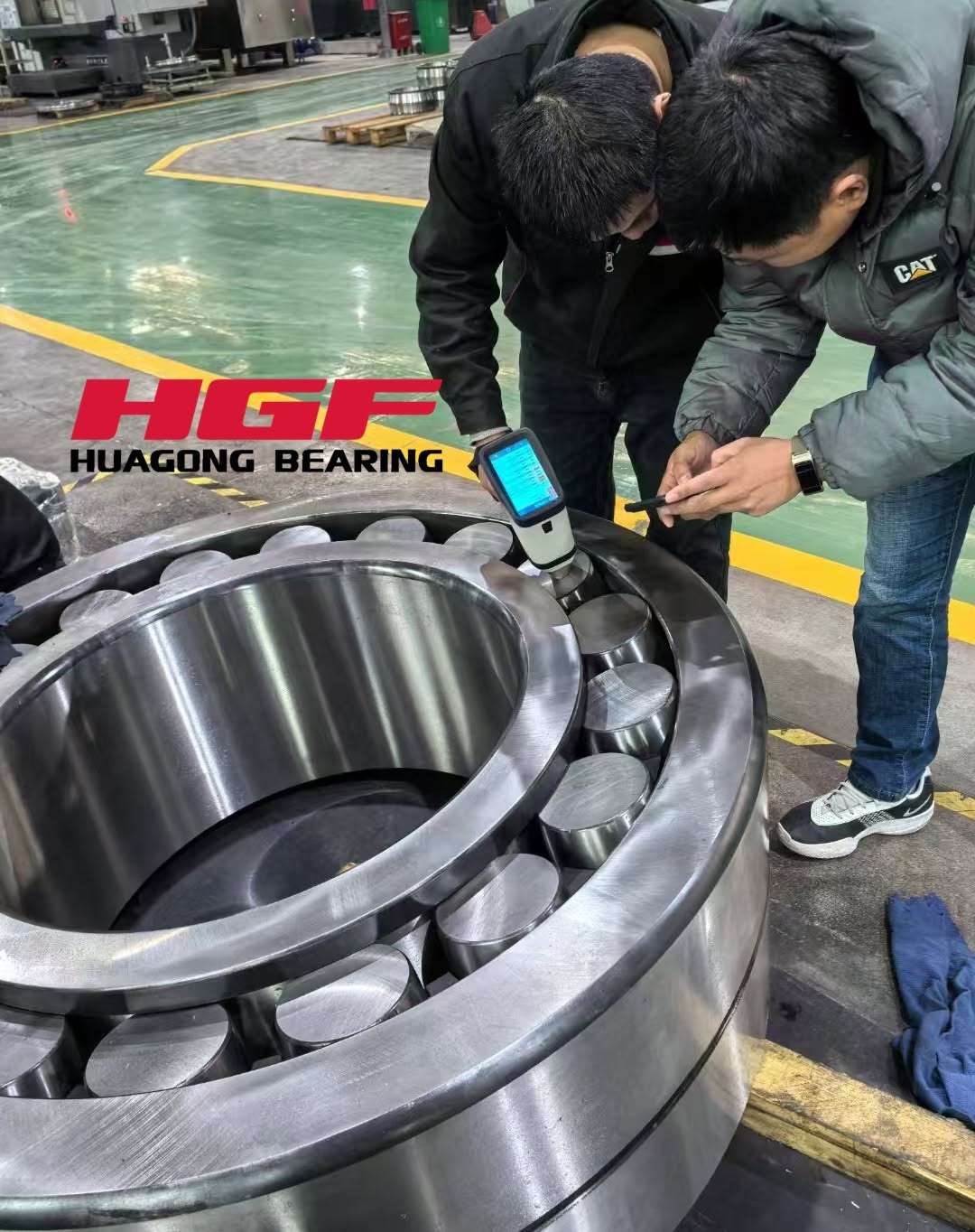
Step 1: Temperature Diagnosis
When abnormal wear or lubrication failure occurs inside a bearing, frictional resistance increases dramatically, causing the temperature to rise rapidly.
Engineers usually use temperature sensors to monitor the temperature of the bearing's outer ring. The biggest advantage of this method is its simplicity, intuitiveness, and low cost, making it ideal for routine inspections. However, its shortcomings are also significant: often, by the time a noticeable temperature anomaly appears, the internal damage to the bearing is already quite severe.
Step 2: Vibration Diagnosis
If temperature is the surface phenomenon, then vibration is the "heartbeat" inside the bearing. When bearing raceways, rolling elements, or cages exhibit fatigue spalling, cracks, or other defects, periodic impacts are generated during operation, exciting specific vibration signals.
This is currently the most widely used and technologically mature diagnostic method in industry. Engineers collect vibration data using accelerometers and then use Fast Fourier Transform (FFT) to generate a spectrum from the chaotic waveforms. By capturing specific fault characteristic frequencies, they can clearly determine whether the problem lies with the inner ring, outer ring, or rolling element.
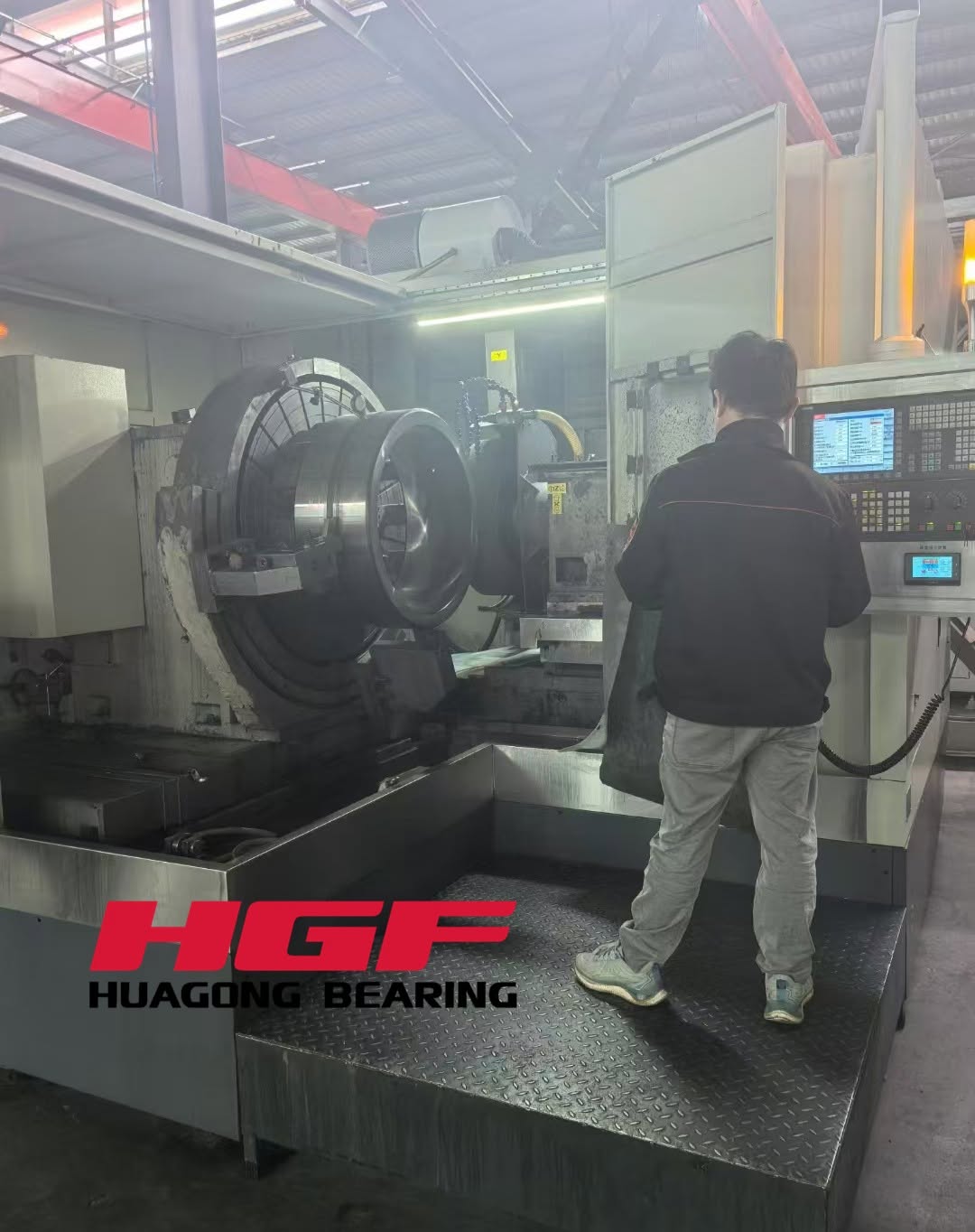
Step 3: Lubricating oil analysis diagnostic method.
During the friction and wear process, bearings continuously generate tiny metal particles. These particles mix with the lubricating oil or grease. By extracting oil samples and conducting laboratory analysis, engineers can determine the degree of wear inside the bearing and thus estimate its remaining service life.
The most scientific bearing maintenance strategy is to conduct a "multi-dimensional joint inspection": using temperature monitoring to grasp overall safety, using vibration analysis to accurately pinpoint problems, and using oil analysis to delve into the internal causes of wear. Only by comprehensively utilizing these methods can equipment be better maintained.


